Welcome to this week’s Living Word. Our theme is Diversity. The word “diversity” is often used in modern society, but it is also deeply rooted in our faith. When we look at creation, we see that God does not create in uniformity. He creates infinite variety. This week, we reflect on the fact that our differences are not a problem to be solved; they are an essential part of the design.
Section 1: The Masterpiece
We invite you to start with the Sign of the Cross.
Response: In the name of the Father and of the Son and of the Holy Spirit, Amen
A reading from the First Letter to the Corinthians (12:12, 17-18)
“For just as the body is one and has many members, and all the members of the body, though many, are one body, so it is with Christ… If the whole body were an eye, where would the hearing be? If the whole body were hearing, where would the sense of smell be? But as it is, God arranged the members in the body, each one of them, as he chose.”
The Word of the Lord
R./ Thanks be to God.

St Paul uses a powerful image to explain diversity: the human body. A body functions only because its parts are distinct. If the whole body were an eye, it would be blind to sound. We need the different parts to make the whole work. In school, we naturally gravitate towards those who are like us—those who share our tastes, our background, and our opinions. It is comfortable. But the Gospel challenges us to look wider. The person who is completely different from you is necessary. They see things you miss. They hear things you cannot. We are not called to be the same; we are called to be one.
Discussion Questions:
- Why do we naturally find it easier to associate with people who are “like us”?
- What “part of the body” do you think you are? (e.g., The Mouth (communicator), The Hands (practical), The Ears (listener)?)
Click below to “Add Comment” and capture some of what has been said in your form for others to see or add them to your form scrapbook if you have one!

Creator God, Thank you for the infinite variety of your creation. Help us to see that our differences are a gift. Prevent us from judging those who are not like us. Teach us to work together as one Body. Amen.
The Spark
We invite you to start with the Sign of the Cross.
Response: In the name of the Father and of the Son and of the Holy Spirit, Amen.
We invite you to start with the Sign of the Cross. Response: In the name of the Father and of the Son and of the Holy Spirit, Amen.
This February is LGBT+ History Month, and the theme this year is Science and Innovation. History demonstrates that true innovation happens when we allow people with different minds and different backgrounds to bring their unique gifts to the table. If everyone thinks the same way, we rarely solve the difficult problems. We are going to watch a clip about Alan Turing, the mathematician who cracked the Enigma code in WWII and pioneered modern computing. He was a man treated unjustly, arrested and prosecuted for being gay, yet his unique mind saved countless lives.
Alan Turing looked at the world differently. Where others saw chaos, he saw a puzzle. His difference was his greatest strength. Science and innovation rely on diversity. We need the creative minds to work with the logical ones; we need the bold to listen to the reflective. When we exclude people because of who they are, where they come from, or who they love, we are not just hurting them; we are depriving the world of their contribution. Today, we give thanks for the scientists and innovators who, despite facing prejudice, used their gifts to move humanity forward.
- Have you ever felt “different” or misunderstood?
- How does it make you feel to know that your unique perspective might be exactly what the world needs?
Lord of All Wisdom, We thank you for the great minds that have shaped our world. We pray for those who feel excluded or judged for being different. Remind us that “sometimes it is the people no one imagines anything of who do the things that no one can imagine.” Amen.
The Action
We invite you to start with the Sign of the Cross.
Response: In the name of the Father and of the Son and of the Holy Spirit, Amen
In Science, the Periodic Table organises the elements. Each element—whether it is Oxygen, Gold, or Carbon—has a different “atomic weight” and different properties. Some are volatile, some are stable. Some are gases, some are metals. But the universe requires all of them to exist. Our form is like a Periodic Table. We are all different elements.
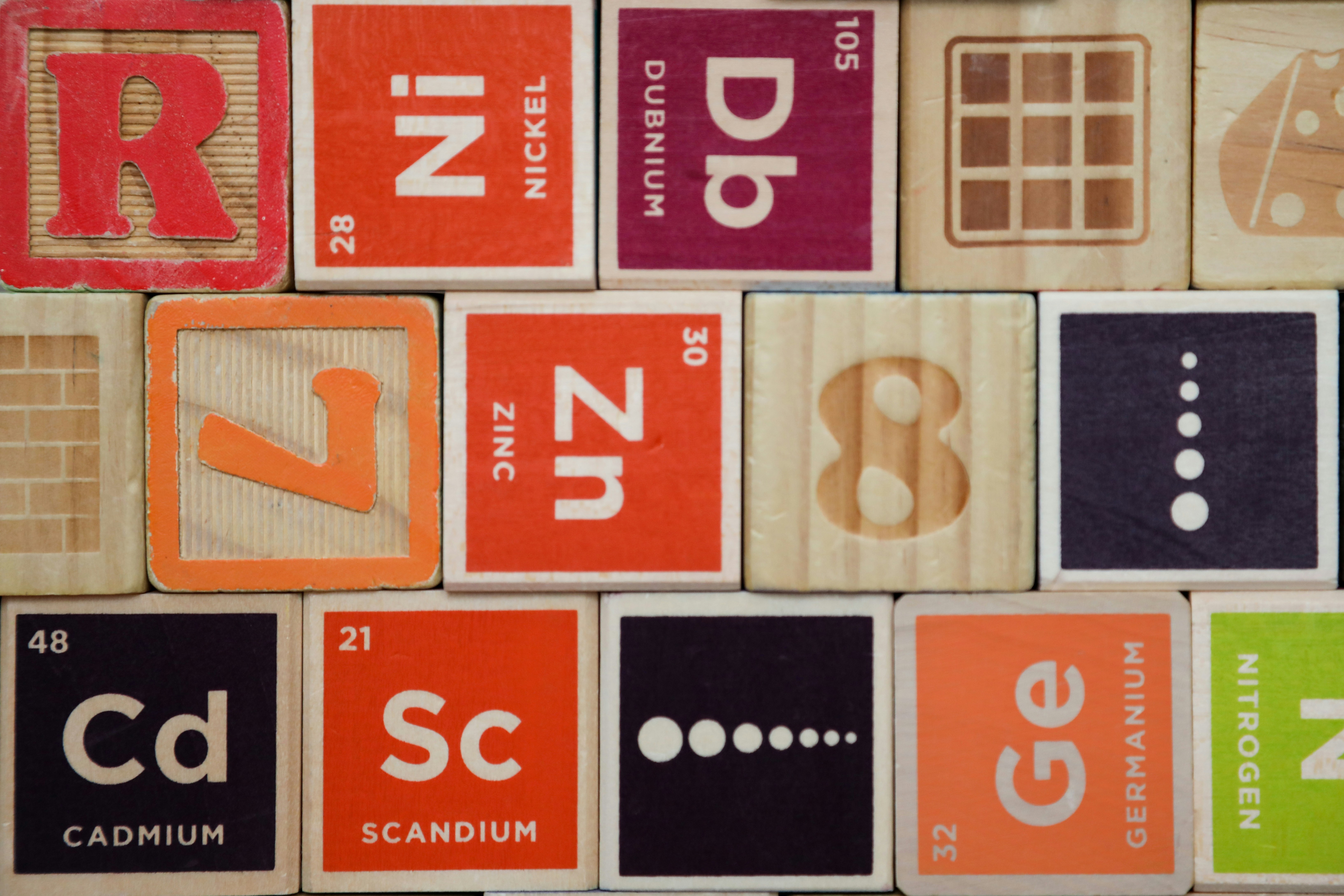
The Activity: Our Elemental Table You have a Post-it note (or a square of paper).
- Your Element: Invent an “Element Name” for yourself based on your best quality.
- Examples: “Kn” (Kindness), “Hu” (Humour), “Sp” (Sport), “En” (Energy).
- The Details: Write your name underneath it in small letters.
- The Structure: Come to the front and stick your elements together on the board/door to make a block (like the Periodic Table).
Look at the block of elements. If we removed all the “Hu” (Humour) elements, the class would lack spirit. If we removed the “Kn” (Kindness), it would be cold. Value the element sitting next to you today. We need their contribution.
God of Creation, You have brought us together in this room. Diverse elements, reacting together. Help us to bond well. May our class be a place where every element is valued for its unique properties. Amen.

Post Comment