During Lent, we reflect on the sacrifice of Jesus and what it means for our lives. The sacrifice of Jesus is a reminder that we are all loved by God, and that we too, are called to live our lives for others as humble servants.
This week we will think about how we can make sacrifices for the good of others.
Day 1 – Start with scripture
We start with the Sign of the Cross.
Have a read of this scripture passage. Think about what Jesus is telling us to do.
A Reading from letter of St Paul to the Galatians
Bear one another’s burdens, and so fulfill the law of Christ. For if anyone thinks he is something, when he is nothing, he deceives himself.
And let us not grow weary of doing good, for in due season we will reap, if we do not give up. So then, as we have opportunity, let us do good to everyone, and especially to those who are of the household of faith.
The Word of the Lord
Galatians 6
R. Thanks be to God
Spend some time in pairs or threes and talk about the questions below. When you’re finished share them with the whole form and see where the dialogue takes you.
Discussion Questions:
What do you think the key message is from the passage?
What do you think it tells us about sacrifice?
Click below to “Add Comment” and capture some of what has been said in your form for others to see.
Day 2 – Catholic Social Teaching
We begin by making the Sign of the Cross
The Common Good
There are many aspects to Catholic social teaching but the one we are going to focus on today is often one that underpins many others.
The Common Good is realised when we work together to improve the wellbeing of people in our society and the wider world. It connects to the idea that we are all equal in dignity and made in the image of God and therefore we should always work for the good of all not just ourselves.
This principle is the foundation of much of the charity work that the Catholic Church undertakes and it inspires us to look for opportunities to work for, and make sacrifices for, the good of others.
The common good of all…
As a school and trust we work alongside CAFOD to support the vital work they do for the good of all people – understanding how this concept works helps us realise just what we can do when we make sacrifices for others and work for the common good. Have a watch of this…
Spend some time thinking and talking about what you could do as a form to support the work of CAFOD and work for the common good of all. Think about those who need our help and who need our prayers today.
We finish with the Sign of the Cross
Day 3 -Hit the Headlines
We begin with the Sign of the Cross.
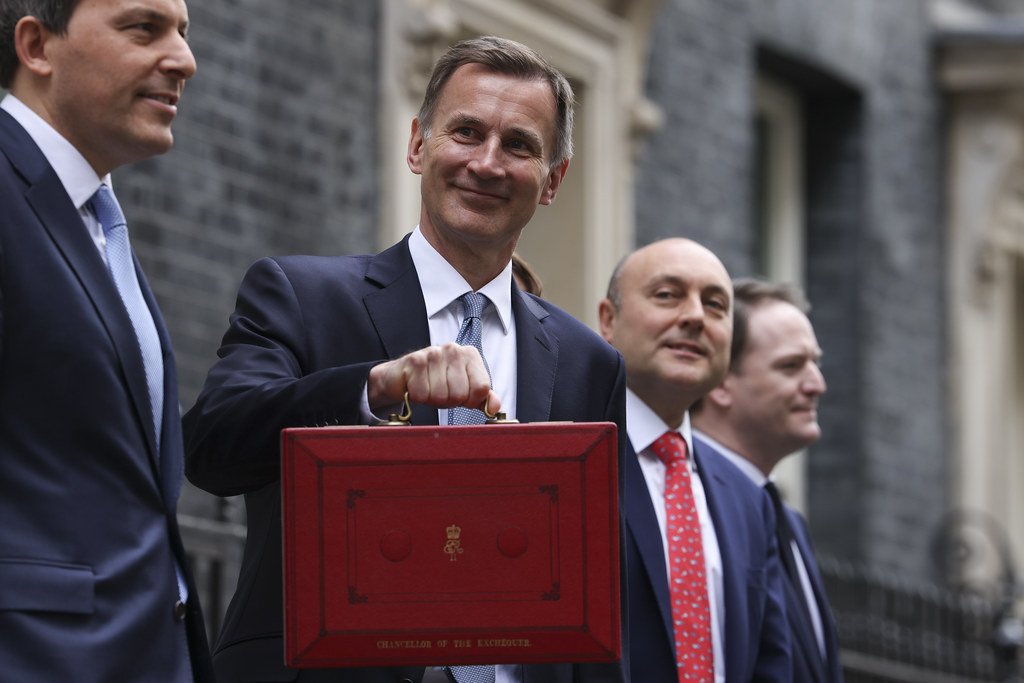
This past week we had the last budget before the general election. Whilst there were no major surprises or announcements, it did introduce a cut to National Insurance (a form of tax) and some changes to how those who have houses abroad are taxed amongst other things. It may be that we don’t think much about things like the budget, but how the government spends our money affects every aspect of our lives.
Spend a few moments in quiet, thinking about the issues and causes matter to you. What do you think the government should spend your money on, and who should it be helping? Who should be making sacrifices for others?
As a form – spend some time in dialogue to decide what you would do if you were in charge of the budget for a day.
Think about the things that matter to you and decide on the top three things that you would spend money on. Write them in the comments box and see if everyone else in school agrees!
In the Lord’s prayer – Jesus reminds us that we should pray that everyone has “their daily bread” and that we need to work for a kingdom where God’s will is done. Think about those issues and causes that you’ve talked about today and hold them in prayer as you share the words that Jesus gave us.
Our Father, Who art in heaven, Hallowed be Thy Name. Thy Kingdom come, Thy Will be done, On earth as it is in Heaven. Give us this day, our daily bread, And forgive us our trespasses, as we forgive those who trespass against us. And lead us not into temptation, but deliver us from evil
Amen
We finish with the Sign of the Cross.


23 comments